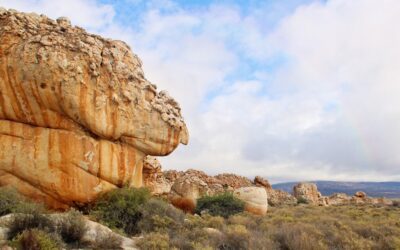

There have been leopards at Kagga Kamma Nature Reserve (and in the greater Cederberg and Western Cape) for as long as we – modern day humans – have been visiting and exploring the area and, of course, they were here long before that.
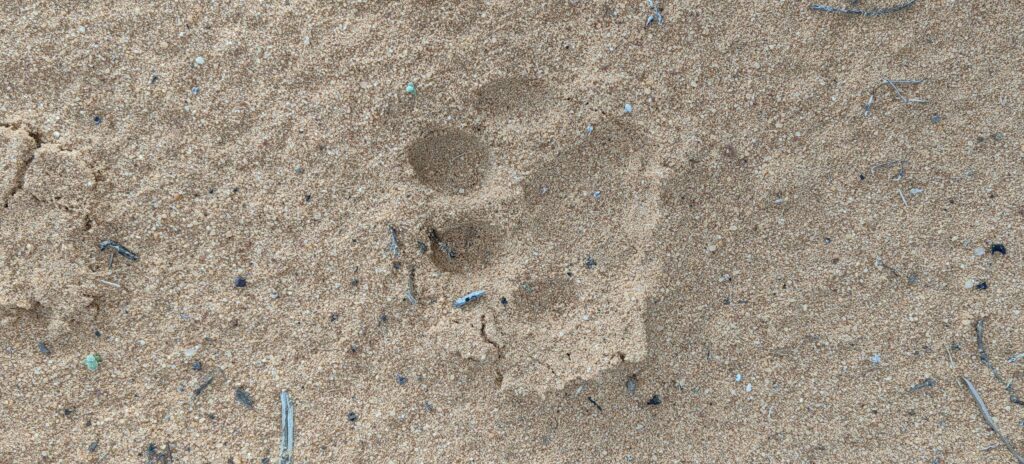
But, true to their documented nature, they are extremely elusive and generally only make their presence here known by way of tracks, mating sounds, and the remains of animals they have preyed upon. Usually, actual ‘sightings’ are limited to glimpses on one of our field cameras, and only occasionally is one sighted in person.
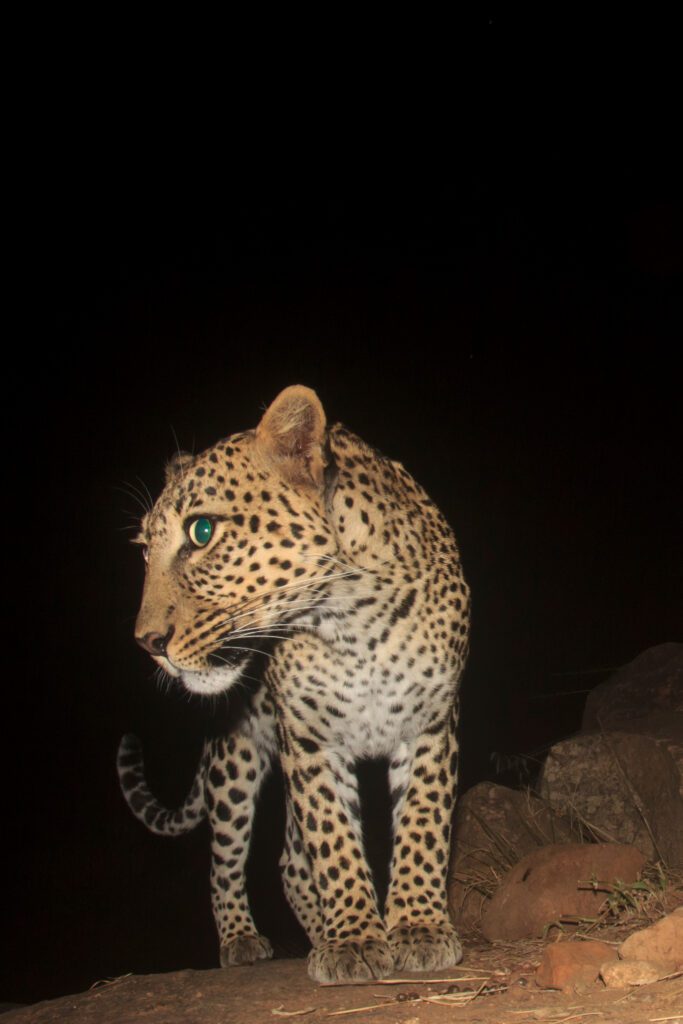
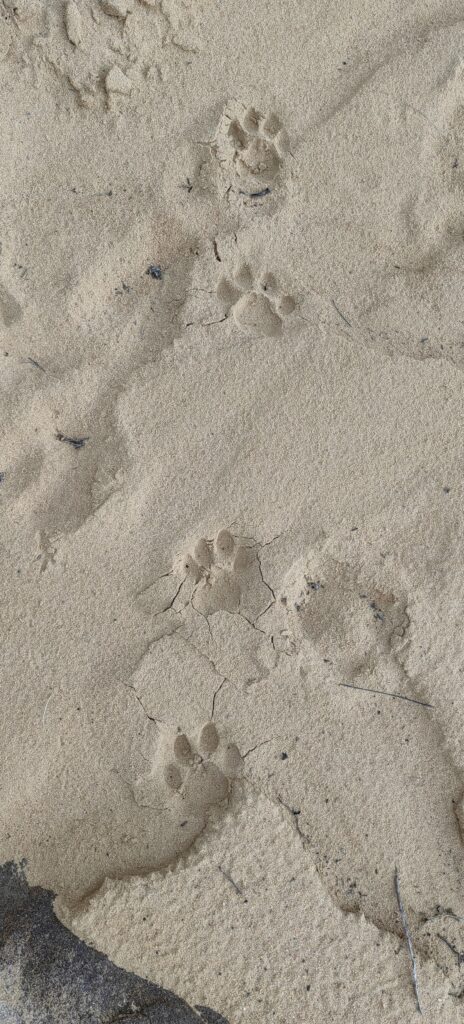
It seems unreal to think that lions, cheetah, hyaena and wild dogs once roamed these lands too; but now the leopard is the remaining apex predator here, on the Fynbos plains and amongst the looming Cederberg rock formations.
While all leopards in Africa are classified as African leopards (Panthera pardus pardus), according to research, leopards in the Western Cape have a genetic makeup that sets them apart from those in Mpumalanga, Limpopo, Kwazulu-Natal, and the Eastern Cape. Cape leopards also differ from other South African leopard populations in regard to the size and weight of individual animals. They are comparatively smaller, with an average weight that is about half that of the leopards found in the Kruger National Park.
The first written records of leopard in Southern Africa date back more than 400 years and are from the Cape; and tragically, the history of persecution and killing of these magnificent creatures as ‘vermin’ or ‘problem animals’ in the Western Cape dates back almost as far.
Prior to 1968, the Cape Province Administration viewed leopards as pests, or ‘vermin’. It was not until 1974 that they received protection as a "wild animal" in the province, requiring a permit for hunting or trapping. However, despite this legal protection, leopards are still actively targeted due to their predation of livestock on private farms. The survival of leopards in the province at all is mainly due to the natural protection afforded by areas of rugged mountainous terrain, such as the Kagga Kamma Nature Reserve environment, which provide important refuges for these now vulnerable animals.
In Department of Fisheries, Forestry and Environment (DFFE) reports, the Department notes that “leopards are being killed illegally or legally as damage-causing animals and by trophy hunters”. Leopards in South Africa are compelled to live in increasingly restricted areas due to the presence of farms, roads, and developments surrounding reserves and national parks, and their traditional ranges. Unlike other large, top predators, leopards face a unique problem because most of their identified habitat is located outside of protected areas.
Having already been eradicated from several traditional ranges and sites across the country, research suggests an average population decline country-wide of 11% per year. The remaining viable leopard populations and their ranges are facing increasing dangers, such as habitat loss and destruction, depletion of prey species through bushmeat poaching, so-called 'retaliatory killing' due to livestock predation, poaching for ceremonial and religious use of their skins, and trophy hunting. All these factors are having a significant impact on leopard populations and their future.
In addition, leopards have low reproductive rates, and cub survival rate is less than 50%, placing more pressure on the survival of these magnificent big cats. It’s no wonder leopards are so often referred to as “the most persecuted big cat in the world” and it’s no wonder that that they are so highly valued, appreciated and admired by all of us here at Kagga Kamma, where we understand and appreciate their intrinsic value, in their own right, as well as their intrinsic value within the greater eco-system of these incredible lands.
On 24 April 2023, the Kagga Kamma Rangers were in for a treat that would leave the Team beside themselves with excitement! Ranger Paul had been picking up on numerous leopard tracks for a couple of days leading up to the 24th and consequently, the crew was on high alert, with everyone hoping they might catch a glimpse of the mercurial creature. While returning with guests from a Kagga Kamma Rock Art Tour on the 24th, Paul noticed new tracks that were very fresh, and after dropping the guests at the Lodge, he set out to follow the spoor.
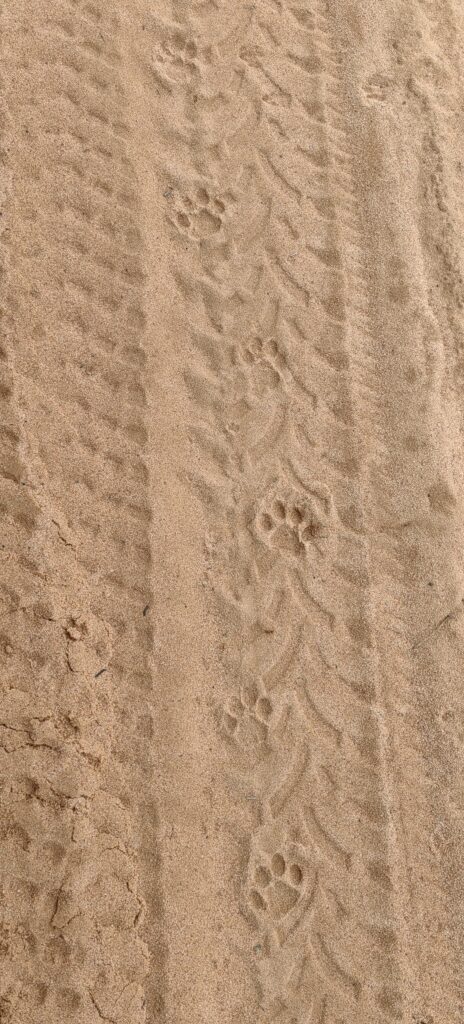
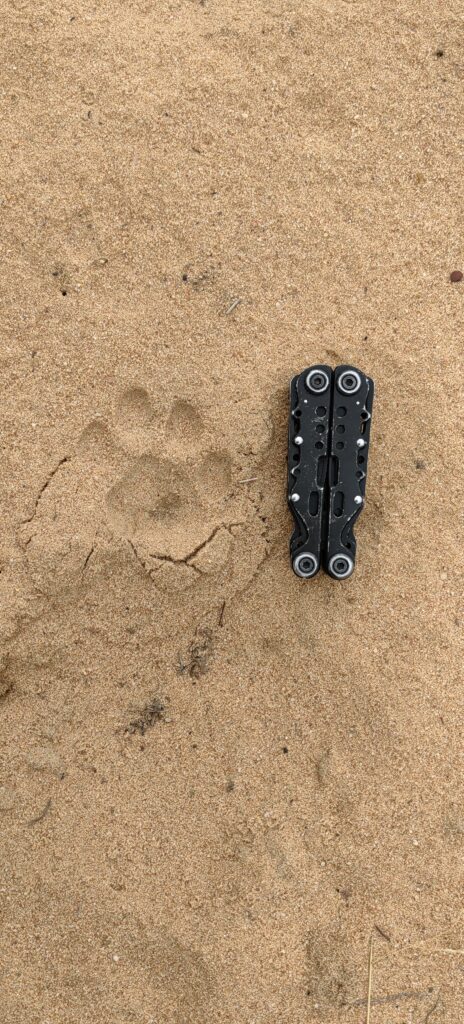
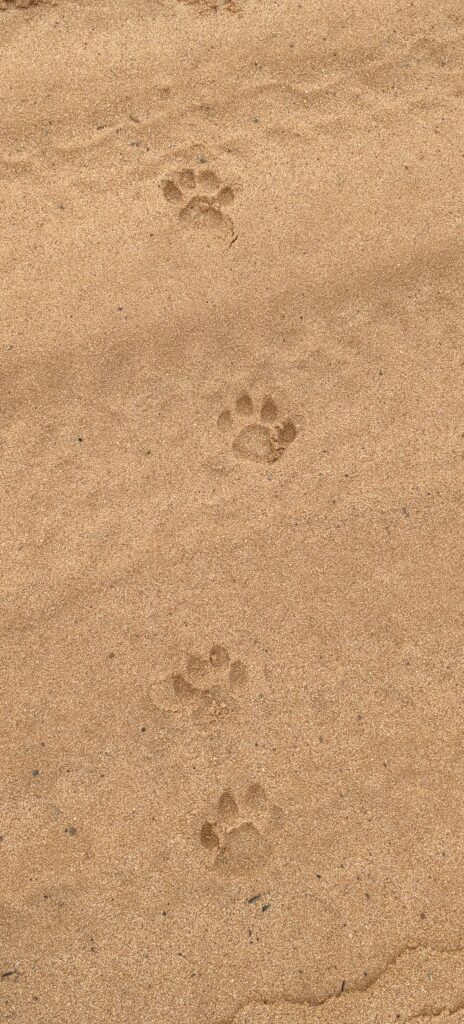
At around 15:00 that afternoon, Ranger Paul spotted the magnificent beastie, perched up high on a rock and excitedly radioed the Lodge to share the news. While Paul remained on the spot to keep tabs on the leopard, additional game drive vehicles set off from the Lodge, bringing a delighted group of guests, and some of the Kagga Kamma Team, to join Paul and view the leopard, from a respectful distance.
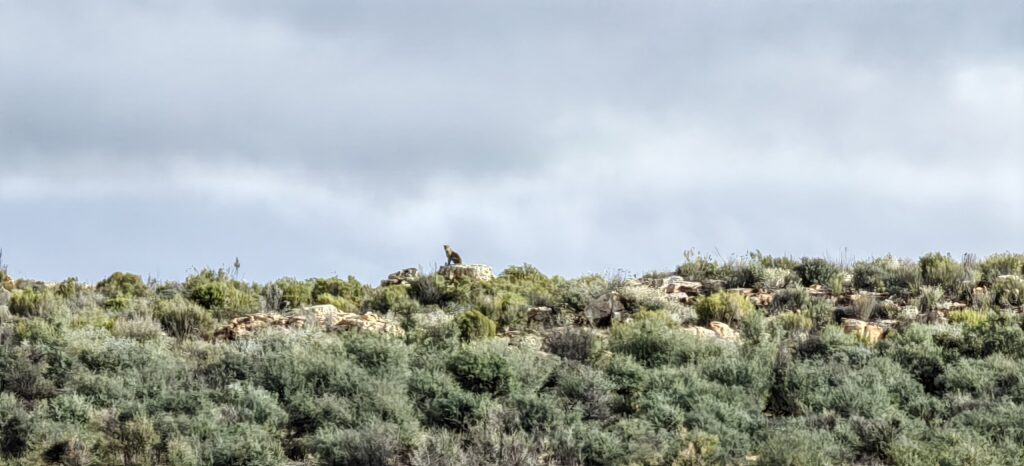
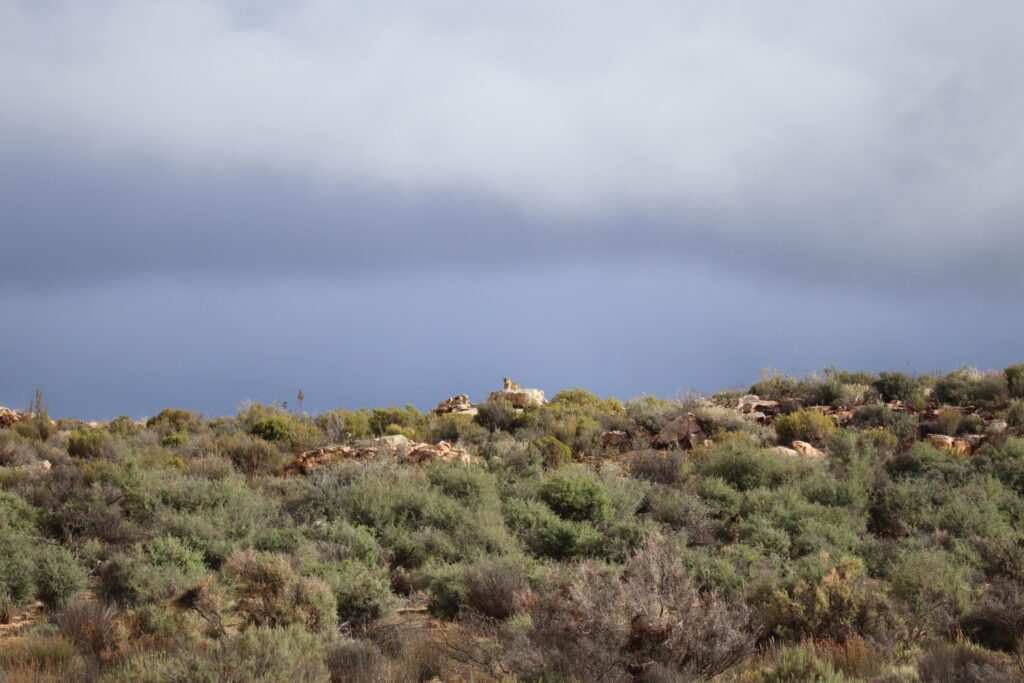
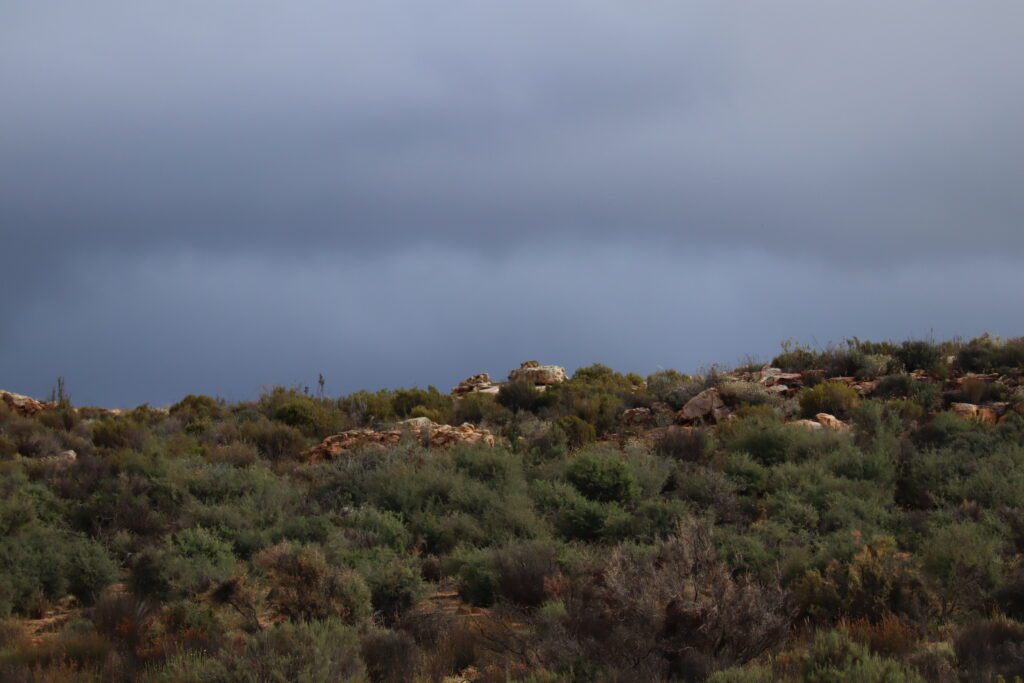
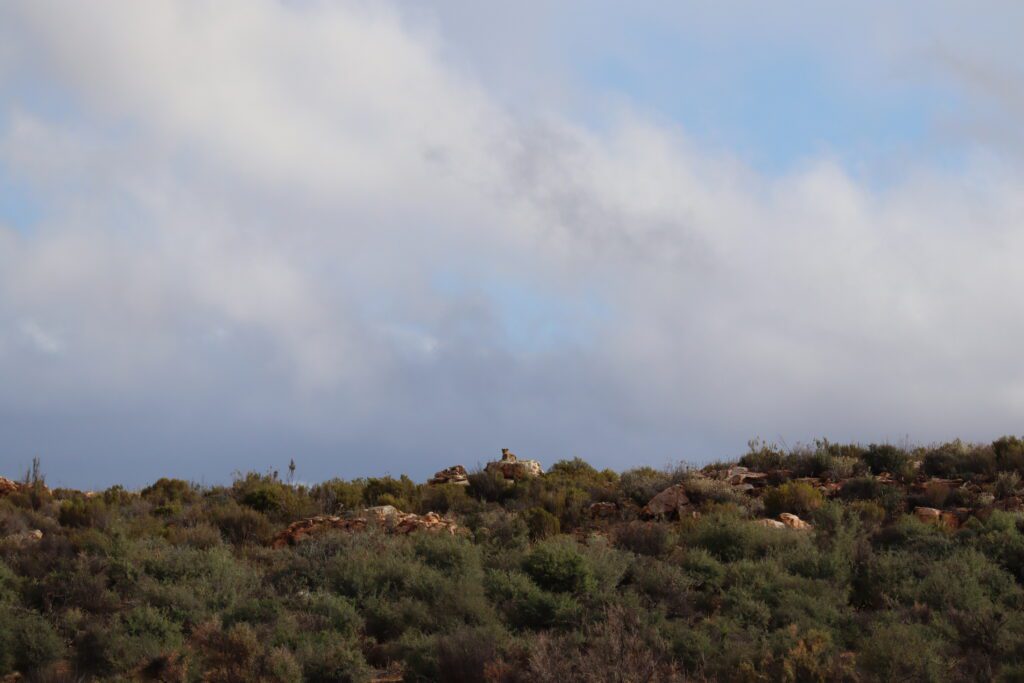

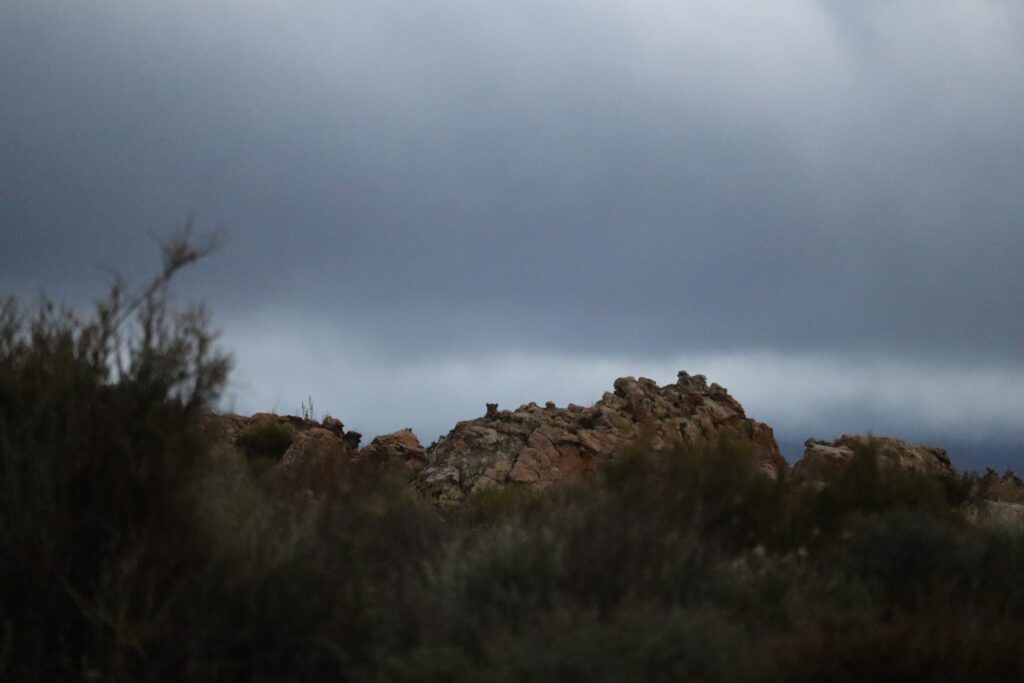
The opportunity to personally see a rare Cape Leopard in the wild is one that we certainly do not take for granted and it was clear from the reactions of our guests that it was quite literally an experience of a lifetime for them, and one that had the ‘buzz’ and vibe in the pub and restaurant vibrating at all time high levels that evening!
Did you know?
- Leopards are extremely agile. They can reach speeds up to 60km per hour and can easily leap 6 meters forwards and 3 meters in a vertical jump. Their exceptional jumping ability is where the collective name – a Leap of Leopards – comes from.
- Leopards are well known for hauling their prey up into a tree. Their incredible strength allows them to hoist carcasses heavier than themselves, and a record exists of a leopard successfully hauling a young giraffe weighing 125kgs to a height of 5.7m. This behaviour occurs regularly only where the cats face competition from other large predators, notably lions and hyenas, and is virtually never seen in the Western Cape.
- They are the most widely distributed big cat, spanning roughly 62 countries across much of Africa and Eurasia, and occur in a wide range of habitats including deserts, savanna grasslands, mountains and rainforests. They are also found on the outskirts of large cities in South Africa, Zimbabwe and Kenya.
- Leopards are nocturnal and hunt their prey at night. Their specially adapted retinas mean they can see 7 times better than a human in the dark.
- A leopard’s tail is very long, and helps them balance when climbing, running, and changing direction quickly when hunting or evading a predator.
- Although very rare in Africa, some leopards are black, due to dominant melanin pigmentation in the skin. They are not a separate subspecies and are commonly called black panthers.
- Female leopards are considered to be excellent mothers, taking care of their cubs for up to 2 years.
- According to the Cape Leopard Trust – Cederberg Project: Previous camera trapping surveys suggest that there are around 30-35 adult male and female leopards in a 3000km² area of the Cederberg Wilderness. Leopards here use far larger home ranges (between 235 – 600 km2) than previously recorded and hence they occur at lower population densities than historically thought.
- Data from recent leopard studies, in three distinct mountain areas, suggest that there are fewer than 500 leopards in the whole of the Western Cape.
- In the Cederberg area, diet studies indicated that klipspringer and rock hyrax (dassies) are the main prey species for leopards here.
- Contrary to popular belief, baboon is not a major part of the diet of the leopards of the Western Cape, and in fact, makes up less than 5%.
- Leopards are solitary animals and are only ever seen together as mating pairs, or females with cubs.
- Leopards sometimes fall victim to illegal snares and traps set by humans to catch small game for food.
- Despite their relatively small size, leopards are one of the Big Five African Safari animals, due to their renowned agility and ferocious hunting abilities.
- Not only are leopards very good swimmers, but they also catch and eat fish and crabs for food.